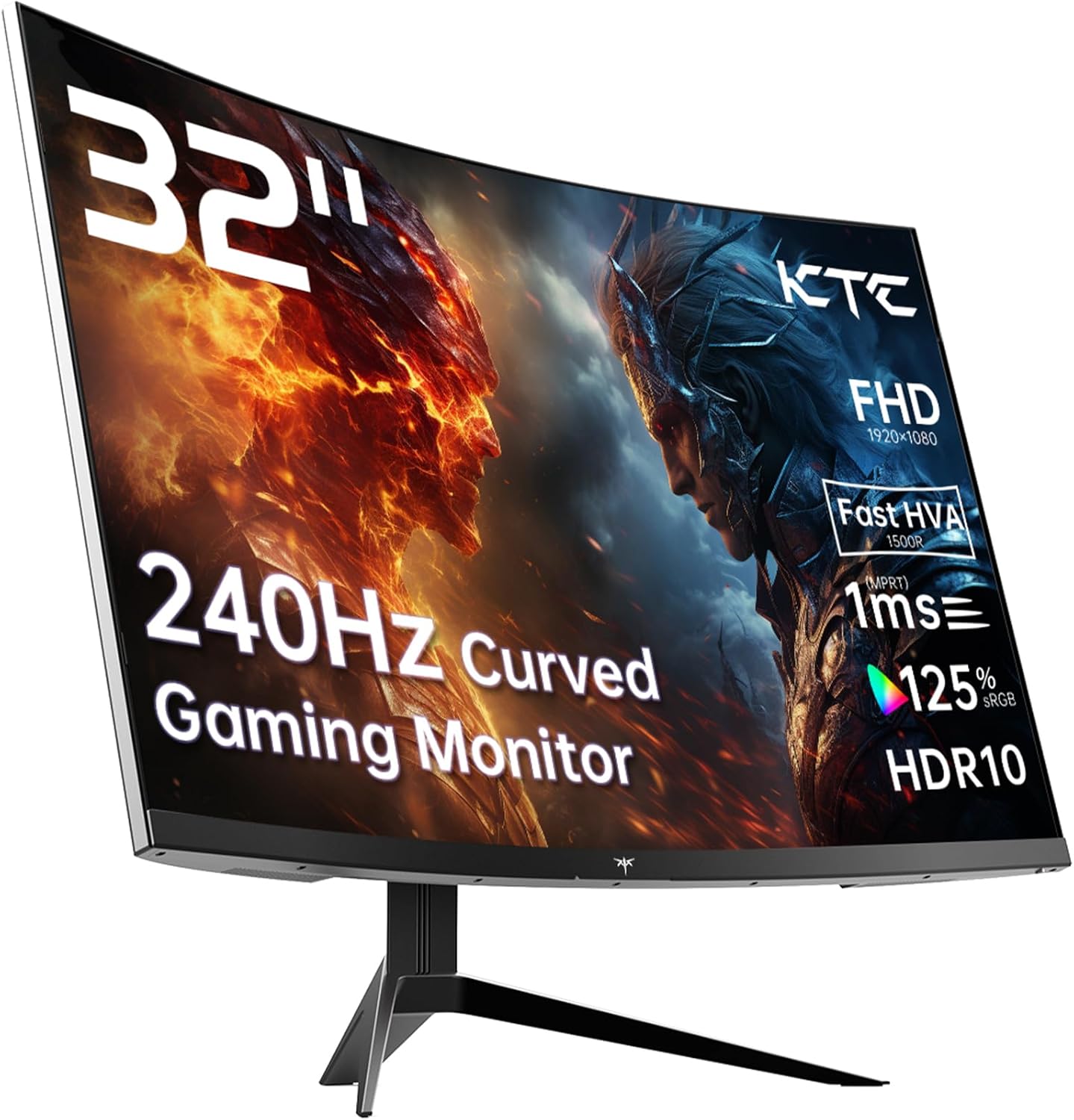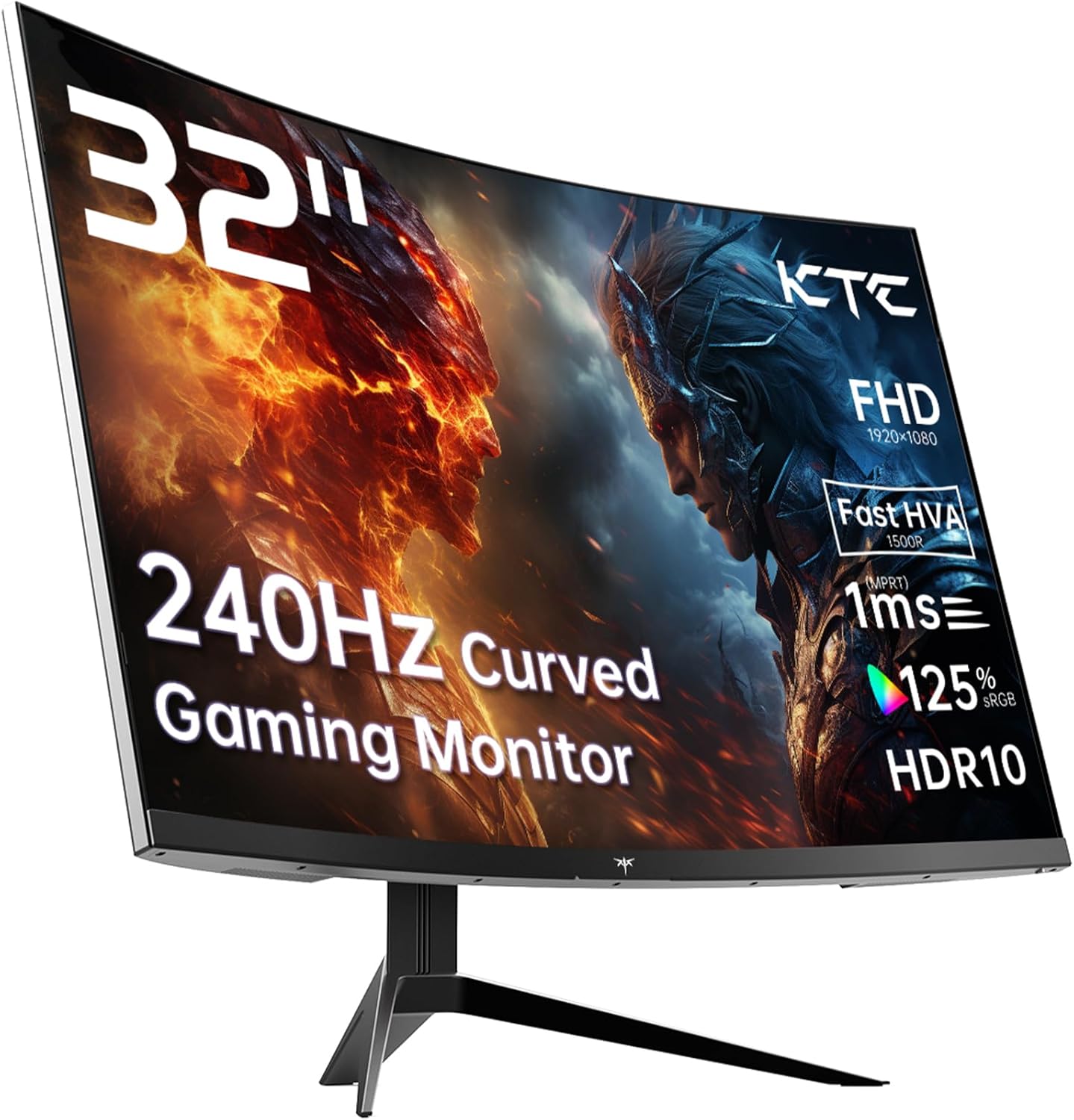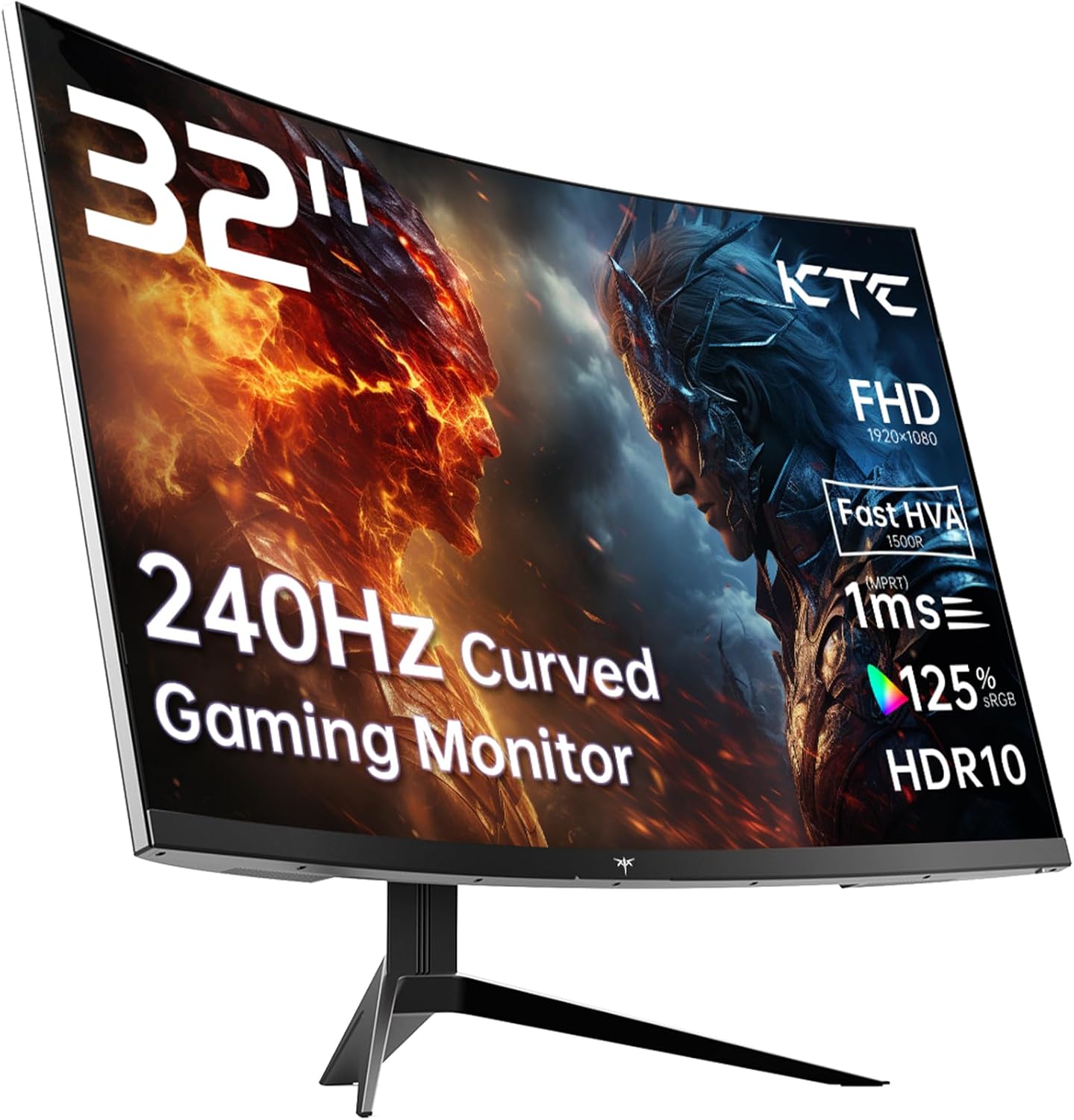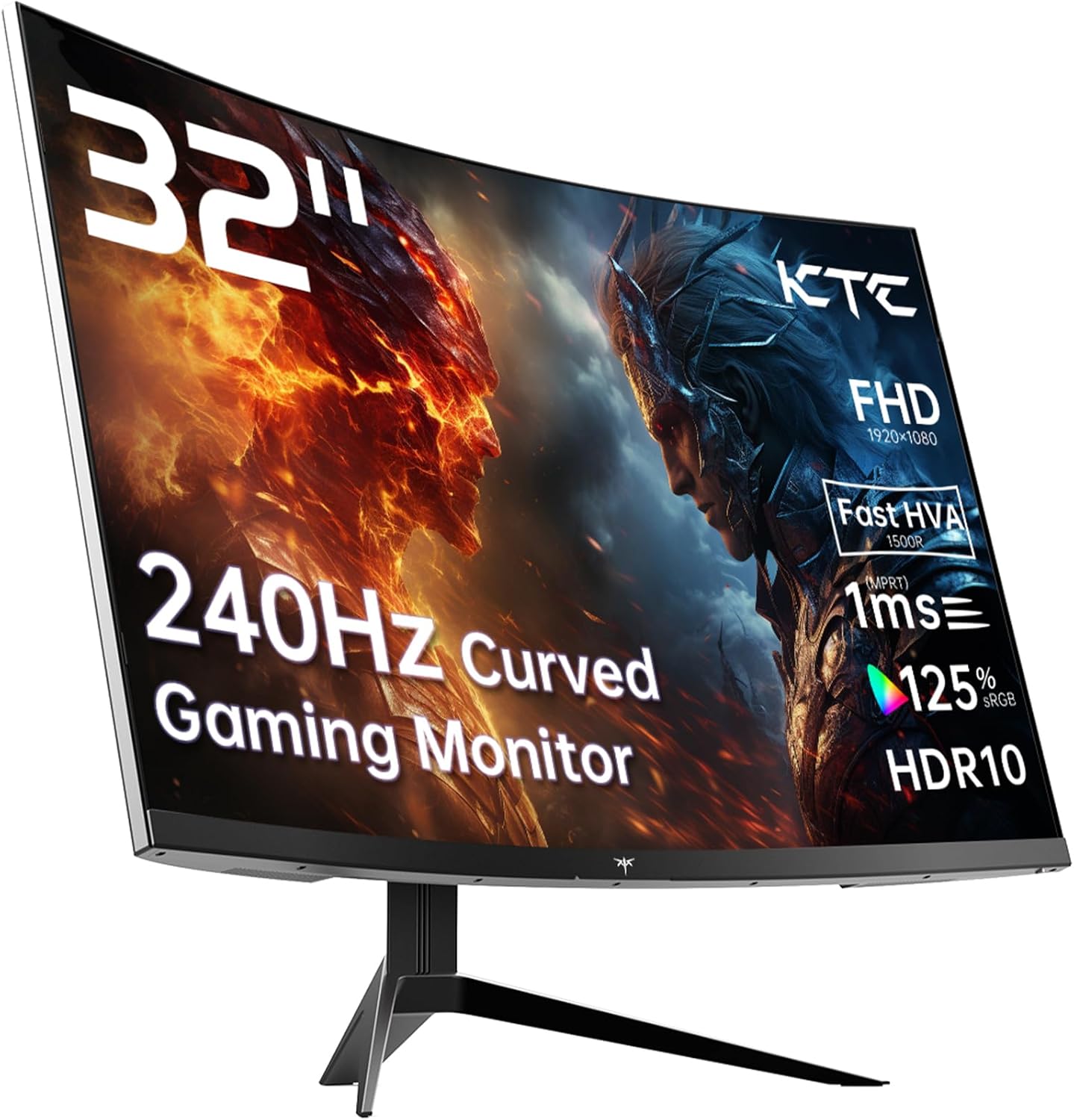
Philips 322E1C Analysis: Big Curve, Real Trade-Offs
My Honest Verdict
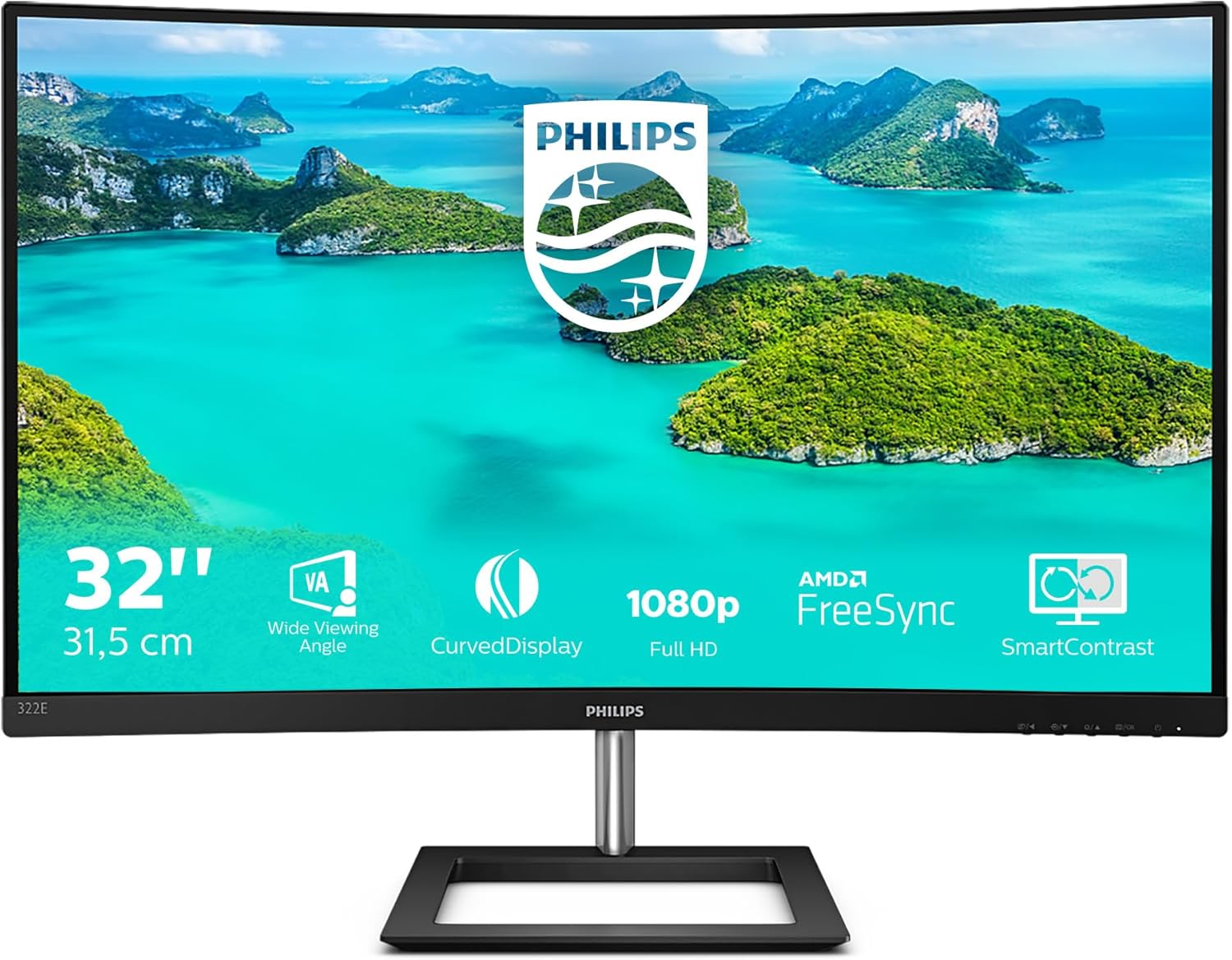
The Philips 322E1C is a 32-inch curved VA panel monitor aimed squarely at buyers who want a large, immersive screen for everyday computing and casual gaming without spending serious money. It delivers on that brief more convincingly than most things at this tier. The headline strength is the combination of size, curve, and a VA panel’s genuinely deep contrast — that 3000:1 contrast ratio is not a marketing number plucked from nowhere, it’s a real characteristic of VA technology that makes dark scenes look noticeably better than on a typical IPS screen. The headline limitation is the refresh rate: the spec sheet says 75Hz but the Amazon specifications list it at 60Hz, and either way, competitive gamers need to look elsewhere.
In everyday use, 1920 x 1080 resolution across 32 inches means the pixel density is lower than ideal — you will notice if you sit close. Text at normal desktop distances is perfectly readable, but it won’t look razor-sharp like a 27-inch FHD screen would. The 4ms response time is fine for the casual gaming and media use this monitor is designed for. The curved screen isn’t gimmicky at this size — a gentle curve on a 32-inch display does actually bring the edges into your peripheral field in a way that feels natural rather than forced. AMD FreeSync keeps things smooth within the supported range, and the flicker-free backlight is a genuine quality-of-life addition for long sessions.
This is right for someone who wants a large, atmospheric display for films, casual gaming, or general home use, and isn’t chasing high frame rates or pixel-perfect colour accuracy. If you’re a competitive gamer who needs 144Hz or above, or a photographer who needs accurate sRGB coverage, this isn’t your monitor. But for the person who wants a big curved screen that actually works, the Philips 322E1C makes a genuinely solid case.
See the Philips 322E1C listing and current availability on Amazon.

What It’s Best For
Home media and streaming. This is where the Philips 322E1C genuinely earns its place. A 32-inch curved screen with a 3000:1 contrast ratio is a legitimate step up from a flat mid-size monitor for watching films and TV. The deep blacks that VA panels produce make dark scenes — anything cinematic, anything atmospheric — look considerably better than a typical budget IPS can manage. The curve draws the picture into your field of view in a way that a flat screen at the same size doesn’t. It’s not a home cinema setup, but it’s a noticeably more involving experience than a standard flat panel.
Casual and single-player gaming. Buyers have used this for open-world and narrative games — Cyberpunk, action RPGs — and reported the image quality holding up well. At these frame rates and genres, the 75Hz cap is not a problem. You’re not playing CS2 at 300fps; you’re exploring a world, and a large curved screen with solid contrast makes that genuinely more immersive. AMD FreeSync takes the edge off any frame rate variance, and the 4ms response time is more than adequate for this type of play.
Office and home productivity. Multiple buyers run two or three of these side by side. At this screen size, a 16:9 aspect ratio gives you room to have two windows open without squinting. The flicker-free backlight and low blue light mode are practical additions for people spending six or more hours in front of a screen. Text clarity is acceptable at normal desk distances — sit back half a metre and it’s fine. If you’re reading very small type up close, the pixel density at 1080p across 32 inches will show its limits.
The Specs That Really Matter
The panel type here is the single most important decision driver. The Philips 322E1C uses a VA panel, and that choice defines everything about what this monitor is good at and where it falls short. VA panels produce the best contrast of any mainstream panel technology — the 3000:1 contrast ratio on this monitor is genuinely useful for dark content. You can read more about what these differences mean day-to-day on our panel types guide. The trade-off with VA is that fast motion can show more ghosting than IPS or TN, which is why competitive gaming isn’t a natural fit. For films, slow-paced gaming, and desktop work, the contrast advantage is a real win.
The refresh rate situation needs a straight answer. The product title quotes 75Hz, the Amazon spec table lists 60Hz. This discrepancy appears across the listing and is worth noting — some units in this series may run at 75Hz with FreeSync enabled, while the native panel spec is 60Hz. Either figure puts this firmly in non-gaming territory as far as frame rates go. If you’re thinking about refresh rate and response time, know that the gap between 60Hz and 75Hz is perceptible but not transformative. The 4ms response time is adequate for casual gaming and general use, but the response time measurement methodology manufacturers use doesn’t always reflect worst-case motion performance — VA panels in particular can show trailing in very dark scenes.
Resolution and size go together. 1920 x 1080 across 32 inches gives a pixel density of roughly 69 pixels per inch. That is on the lower end for desktop use — noticeably softer than the same resolution on a 27-inch screen. Whether that matters depends entirely on your use case and viewing distance. For screen size and resolution planning, a general rule applies: if you sit more than 60–70cm away, 1080p at 32 inches is fine. If you’re right up against the screen doing detailed work, you’ll see the pixels. The 250 cd/m² brightness is adequate for indoor use but won’t cope well in brightly lit rooms with sunlight behind you.
Connectivity is straightforward: HDMI, DisplayPort, and VGA. One of each. No USB hub, no USB-C. That’s fine for a monitor at this tier — most buyers are running a single PC or console connection. One buyer flagged that the box didn’t include a UK mains cable, which is worth knowing if you’re buying for the first time and don’t have a spare IEC lead to hand. More on ports and what to look for in our connectivity guide. By 2026 standards, the port selection is minimal but functional — it does what most buyers need it to do.
Check the full spec sheet and buyer Q&As for the Philips 322E1C on Amazon.
What Buyers Are Saying
The Philips 322E1C holds a rating of 4.4 out of 5 across 774 Amazon customer reviews. That’s a large enough sample to carry real weight. The sentiment is overwhelmingly positive, with the dominant themes being size, image quality, and value — buyers repeatedly expressing surprise at how good a large curved screen feels compared to what they were running before.
Multiple buyers specifically mention running two or three of these side by side in multi-monitor setups. That’s a useful signal — it means the units are consistent enough that people trust buying the same model twice. One buyer ran three for a triple-screen simulator setup and reported the setup worked well, noting only a minor height variance between units that was solved with a proper monitor arm. Another buyer purchased a second unit through Amazon’s resale programme and found it in perfect working order. That kind of repeat purchasing behaviour doesn’t happen with monitors people are disappointed in.
Buyers who upgraded from IPS screens consistently noted the image looked better than expected — one mentioned ditching a QD-OLED upgrade plan after seeing how well the Philips 322E1C performed in casual gaming. The contrast and depth of the VA panel appear to be the reason. Negative feedback is minimal and specific: one buyer noted the absence of a UK mains cable in the box, which is a packaging oversight rather than a hardware issue. No recurring complaints about backlight bleed, dead pixels, or panel failures — reassuring for a monitor that’s been on the market long enough to show any systematic quality control issues.
Buyer Highlights
“The screen quality is amazing — I’d been looking at OLED options but this completely won me over.” — A recurring theme from buyers who expected to spend more and were genuinely pleased they didn’t.
“I’ve bought three of these for a desktop setup and they’ve been brilliant.” — Consistent feedback from multi-monitor buyers who trusted the same model for repeat purchases.
“Really nice screen, took a day or two to get used to the size — but after that, it was fine.” — Buyers transitioning from smaller screens note an adjustment period that quickly passes.
“Nice monitor, but no UK cable in the box.” — A packaging gap flagged by one buyer that’s worth knowing before your unit arrives.
“I’ve had this monitor for over five years and it works perfectly — I’m thinking of buying the same model again.” — Long-term reliability feedback from international buyers reporting zero issues over years of daily use.

Worth Knowing Before You Buy
The missing UK mains cable is a genuine gotcha. One buyer flagged it and it’s the kind of thing that ruins an unboxing if you don’t have a spare IEC C13 lead in a drawer. Standard PC power cables use the same connector — if you’re near any desktop PC, you can borrow one — but if this is your first monitor or you’re gifting it, check what’s in the box before you need it. The Philips website and box contents listing mention the cable, so this may vary by batch, but it’s worth being aware of.
Stand adjustability is basic on this model — tilt only, no height adjustment or pivot. If you need to raise the screen or position it precisely, you’ll want a monitor arm, which several buyers in the reviews are already using. The stand is functional and stable for a fixed desk position, but it’s not going to suit everyone’s ergonomic setup out of the box. Also worth noting: VA panels can exhibit some ghosting on fast-moving objects in dark scenes. For the casual gaming and media use this monitor targets, that’s unlikely to be distracting. For competitive or fast-paced gaming, it’s a real consideration. If you’re unsure which type of monitor suits your specific use case, the how to choose a monitor guide covers this clearly.
The 85% colour gamut figure in the specs is sRGB-approximate — fine for general use, not suitable for colour-critical work. No HDR certification is mentioned, and at 250 cd/m² peak brightness, it wouldn’t meet any meaningful HDR standard anyway. Philips offers a two-year warranty on this unit, which is standard for the category. No significant reliability issues appear across the review base, and one buyer’s five-year report of trouble-free use is a positive signal.
View current stock and delivery options for the Philips 322E1C on Amazon.
Who Should Buy It (And Who Shouldn’t)
Buy If
- You want a large curved screen primarily for films, casual single-player gaming, or general home use, and the immersive size matters more to you than pixel density or frame rates.
- You’re building a multi-monitor setup on a budget — buyers consistently report these units being consistent enough to buy two or three of the same model without mismatches.
- You’re coming from a flat screen of 24 inches or smaller — the step up in size and the VA contrast will be a noticeable improvement in how media and games feel to watch and play.
- You want AMD FreeSync for smoother casual gaming without paying for a premium panel — FreeSync here keeps things usable within the refresh rate range without additional cost.
Avoid If
- You play competitive multiplayer games at high frame rates — 60–75Hz and VA panel ghosting are a combination that will frustrate anyone used to 144Hz or above.
- You do colour-grading, photo editing, or any work where accurate colour reproduction matters — the 85% colour gamut and lack of factory calibration make this unsuitable for colour-critical work.
- You sit close to your monitor and notice pixel sharpness — at 1080p across 32 inches, text and fine detail will look noticeably softer than on a smaller screen at the same resolution.
The Bottom Line
The Philips 322E1C does exactly what a well-designed large curved entry-level monitor should do: it delivers a genuinely immersive experience for films and casual gaming, with VA contrast that punches above its tier, in a package that multiple buyers trust enough to buy twice. The pixel density trade-off at 1920 x 1080 on a 32-inch panel is real, and competitive gamers need to look elsewhere, but for the buyer who wants a big, atmospheric screen for everyday use, this earns its place without much argument.
The Philips 322E1C is available now on Amazon — see the full listing for details.
At The Monitor Expert, our approach is built on data transparency rather than simulated hands-on testing. We rigorously analyse official manufacturer specifications and aggregate verified customer sentiment to provide honest, straightforward buying advice that cuts through the marketing noise.
As an Amazon Associate, I earn from qualifying purchases.
Browse by Specification
Looking for something specific? Browse our analyses by hardware and feature below, or check all monitor analyses in the Office Monitors and Mid-Range Monitors category archives.
[IPS Monitors] — [VA Monitors] — [TN Monitors] — [OLED Monitors]
Browse by Refresh Rate
[60Hz] — [75Hz] — [100Hz] — [120Hz] — [144Hz] — [165Hz] — [180Hz] — [200Hz] — [240Hz+] — [360Hz+]
Browse by Screen Size
[Small Screen] — [24-inch] — [27-inch] — [32-inch] — [Large Screen] — [Ultrawide]